spacer
| Home | ARPS | Aurora | CfDS | Comet | Computing | Deep Sky | I&I | Jupiter | Lunar | Mars | Mercury&Venus | Meteor | Radio | Saturn | Solar | Variable Star |
BAA logo

British Astronomical Association
the voice of amateur astronomy in the UK

Join Online Now
Home
IYA 2009
News
Information
Contact Us
Observing Sections
Dark Skies
Meetings
BAA Journal
Sky Notes
Sales
Join the BAA
Galleries
New Members
Links
Search
Members Only

Home arrow News arrow Latest arrow No more stars in your eyes?

No more stars in your eyes? Print E-mail

star-count-jan-2007_tn.jpgFewer and fewer people are able to see the natural wonder of a star filled night sky. This is the conclusion of a survey run by the Campaign to Protect Rural England (CPRE)  and the British Astronomical Association’s Campaign for Dark Skies (CfDS).

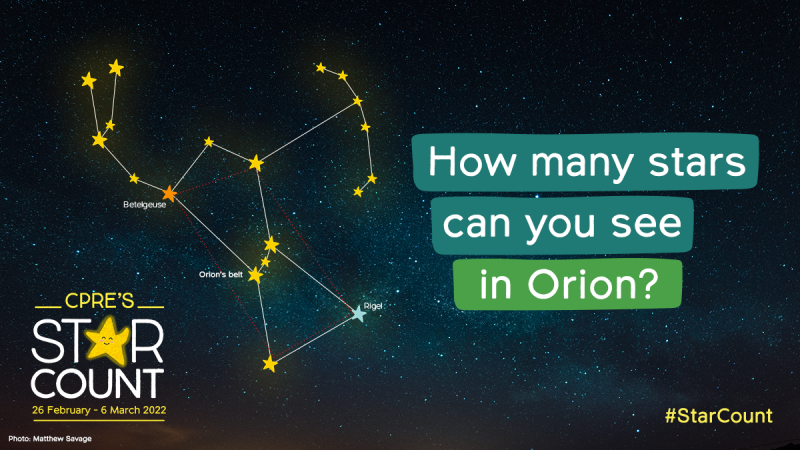
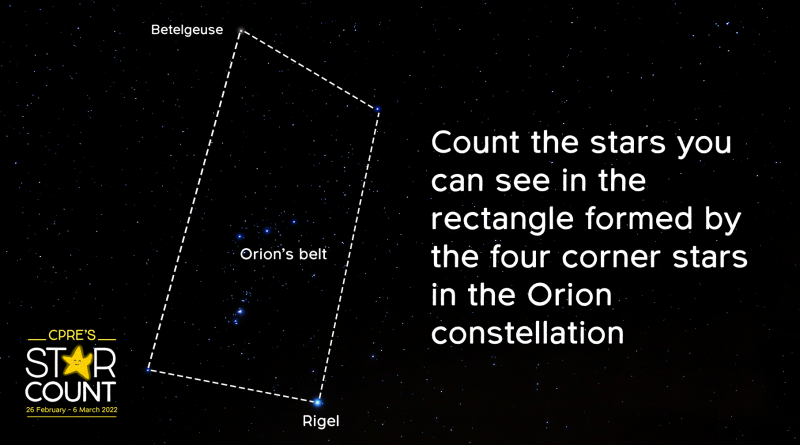
CPRE and CfDS asked people to count the number of stars they could see within the constellation of Orion – one of the most easily identified in the night sky – then tell us the number, along with the location of their observation. In a truly dark sky about 50 stars might be visible to the naked eye within this constellation.

The results confirmed that light pollution, caused by badly-designed, inefficient outdoor lighting, is blotting out the stars across much of the country and for most of the population. 

People have been robbed of one of nature’s most everyday yet awesome views – a star-filled night sky.

Nearly 2,000 people took part in the star count. Only 2% of people who responded to our online survey said they could see more than 30 stars, compared to 54% who saw fewer than 10 stars in Orion – a level which indicates severe light pollution.

Not surprisingly, the fewest stars tended to be seen in the more built up, developed areas where there is most outdoor lighting – as our map reveals.

Many people in rural areas were surprised at how few stars they actually saw, given that someone with good eyesight somewhere free of light pollution should see about 50 stars within Orion on a moonless, clear night. Light pollution can spread deep into the countryside from towns and cities. The two main causes of this pollution were poorly directed security floodlighting and sky glow from distant towns, mostly caused by street lighting.

An observer from Birmingham told us: ‘I grew up in East Africa with a firmament of stars over my head – they were the roof to my world. Once a year I go to rural Wales, wait for a clear night, and then lie looking up at the stars. I don’t go in until I have seen a shooting star. It’s as if I have to put the roof back onto my world.’

Several people mourned the loss of views of the Milky Way – our own galaxy. Most people in Britain can no longer see it in the skies around their home, due to light pollution. 

Number of stars counted within the constellation of Orion
0-5 6-10 11-15 16-20 21-25 26-30 31-40
258 (14%) 729 (40%) 441 (24%) 215 (12%) 105 (6%) 47 (2%) 34 (2%)
CPRE and the Campaign for Dark Skies hope to repeat the star count in future years. We want to build up a picture of the light pollution people experience across the country and monitor change, supplementing the mapping work both organisations have carried out.

Emma Marrington, CPRE dark skies campaigner said: ‘We’re very grateful to the people who took part in our star count. This evidence is a great way to show Government how badly we need the long awaited planning policy on controlling light pollution, which would help stop it spreading ever wider.’

Bob Mizon, UK co-ordinator of the Campaign for Dark Skies, said: ‘In an era when energy considerations loom ever larger, it makes a lot of sense to direct lights carefully and use sensible wattages, not just to reclaim our view of the stars but also to cut pollution and help ensure our energy stocks for the future.’

 
< Prev   Next >

Copyright © 2006 British Astronomical Association
Powered by Joomla!
spacer