A good time for all at the Kelling Heath Star Party
Many may not be aware of the twice-yearly fixture in the amateur astronomer’s calendar that is the Kelling Heath Star
Read more
Supporting amateur astronomers since 1890
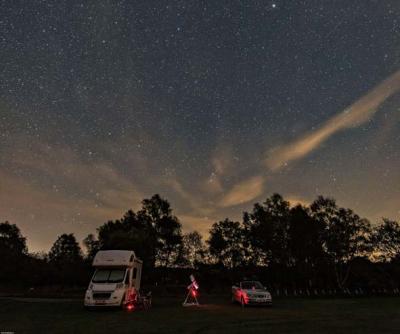
Many may not be aware of the twice-yearly fixture in the amateur astronomer’s calendar that is the Kelling Heath Star
Read more
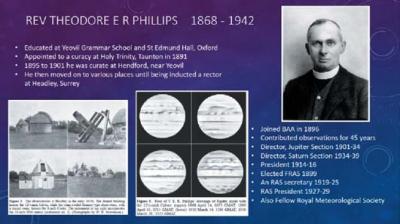
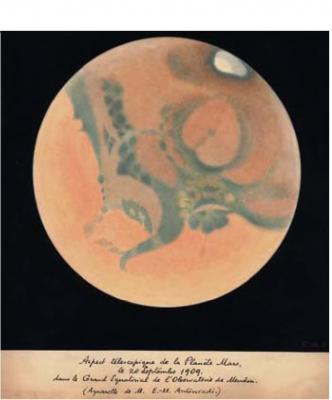
In the BAA Journal of 1917 September came the surprise announcement that E.-M. Antoniadi had resigned the Directorship of the
Read more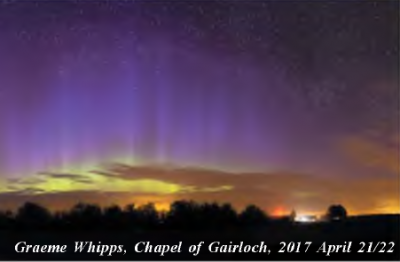
With no coronal mass ejections and sunspot numbers only just in double figures or even at zero, all aurora sightings
Read more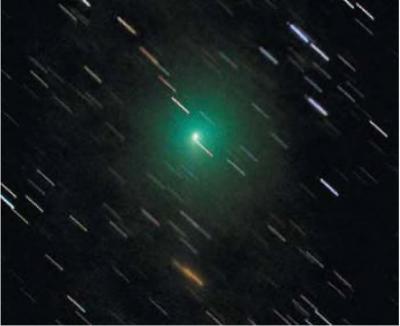
For a few weeks in early April this year, four reasonably bright comets were visible from the UK (see front
Read more
I hope many members will have had the opportunity to observe Jupiter in recent weeks. I have enjoyed some fine
Read more